
How to Find a Contact Lens Fitting Near Me in Trinidad and Tobago

We know a contact lens fitting can involve more than a quick vision check. If you’re searching for a contact lens fitting near me in Trinidad and Tobago, EyesTT can guide you through the assessment, trial lenses, and care steps.
Use these steps to plan your visit and know what to expect, from your first booking question to your follow-up plan.
Table of Contents
Step 1: Find a Convenient Contact Lens Fitting in Trinidad and Tobago
Start by checking whether the service includes a contact lens assessment, not only a glasses prescription. A standard eye exam checks vision and eye health. A fitting also looks at how a lens sits on your eye and whether it gives you clear, comfortable vision.
EyesTT provides eye care in Trinidad and Tobago, with optical services that include contact lenses. The clinic’s contact lens consultation covers fit, comfort, and visual performance. That matters because a lens can correct your sight yet still feel uncomfortable or move in a way that needs review.
Before you book, confirm that the appointment is for contact lenses. Ask what the visit covers and whether trial lenses and handling instruction are part of the plan. If you already wear lenses, mention that when booking. The team can tell you whether to wear them before the visit or bring them along.
Location and access matter, too. EyesTT lists its head office at 129 Mission Road, Freeport, with other offices in San Fernando and St Augustine. Check the clinic’s current location details and opening hours before setting your travel plans, especially if you’ll be coming from another part of Trinidad or Tobago.
If you’re comparing a fitting with a routine eye test, EyesTT’s explanation of a contact lens exam in Trinidad clarifies why lens-specific checks are needed. It can help you describe the service you want when arranging your visit.
Think about the day-to-day reason you want lenses. You may want them for sport, work, or times when glasses feel inconvenient. Tell the clinician what you hope to do while wearing them. Your routine can help guide the discussion, but it won’t replace the eye and lens checks.
EyesTT’s website lets patients book through its appointment app. When you choose an appointment, select the eye-care service that fits your need. If you aren’t sure which appointment type to choose, ask the clinic before submitting the request.
Key Takeaway:Confirm that your appointment is for contact lens fitting, then check the location and booking details.
Step 2: Prepare for Your Contact Lens Fitting
A little preparation helps the clinician understand what you need. It also gives you time to raise concerns that may not come up during a basic vision check.
Bring your current glasses and, if you already wear contacts, bring your lenses or their packaging. The package can help identify the lens details you use. Bring your latest prescription if you have a copy. These items are useful, but don’t delay booking if you can’t find them. Ask the clinic what to bring.
Make a short note of eye drops and medicines you use. Include any allergies or past eye problems you know about. Tell the clinician if you’ve had dry, itchy, or red eyes while wearing lenses. Also mention past trouble inserting or removing them. Small details can help the clinician assess comfort and handling.
It helps to describe a normal day. How long do you hope to wear lenses? Do you spend much of your day in an air-conditioned room, outdoors, or at a screen? Explain your usual routine in your own words. Don’t guess which lens type you need. The fitting helps the clinician decide what may suit your eyes.
If you’ve worn contacts before, be ready to discuss how often you wore them and what felt wrong. A lens that felt fine for an hour but uncomfortable later is worth mentioning. So is a lens that was hard to remove. These details give the clinician a clearer picture than a simple “they didn’t work.”
Plan enough time to complete the visit without rushing. A fitting includes more than reading letters on a chart. The eye exam portion may take about 30 to 60 minutes, and the full visit can vary with your needs and any extra checks. Ask when you book if you need a time estimate for your appointment.
Arrive with clean hands and avoid putting on eye makeup just before the visit if you can. If you’re currently wearing contact lenses, follow the clinic’s instructions about whether to remove them before your appointment. The right choice can depend on the checks planned, so don’t assume the same rule applies to everyone.
Contact lens fitting is a clinical task that calls for professional knowledge and skill. At EyesTT, share your questions openly so we can explain what each part of your assessment is for.
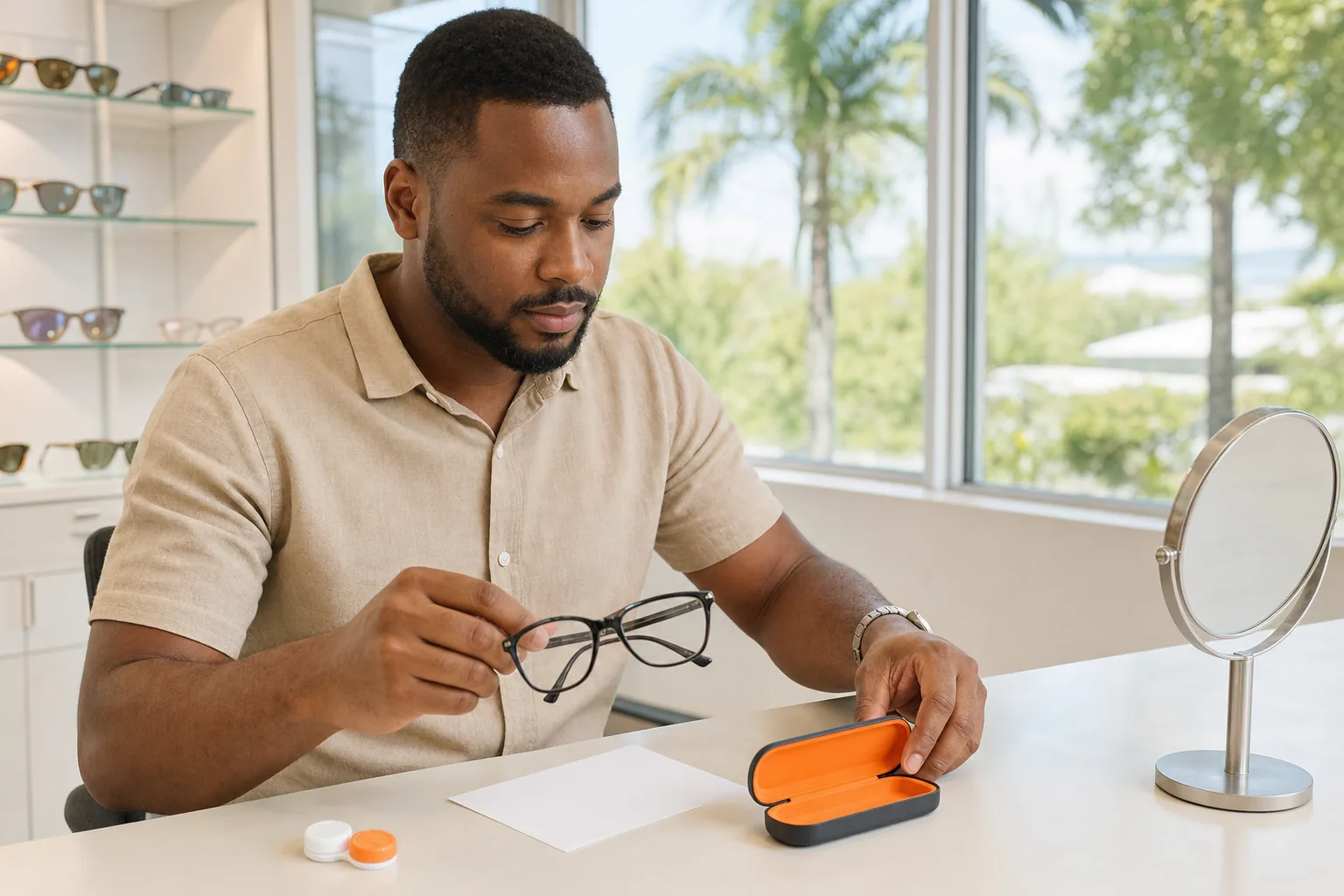
Step 3: Understand the Eye and Lens Measurements
The measurements help the clinician choose a lens that suits both your vision and the shape of your eye. A glasses prescription alone doesn’t describe every detail needed for contact lenses.
Your visit may begin with questions about your vision, eye comfort, health, and lens goals. The clinician may check visual acuity, which means how clearly you see letters or shapes at set distances. They’ll also assess your eye health. These checks help show whether contact lenses may suit you and what needs closer attention.
The cornea is the clear front surface of the eye. Its curve and size affect how a contact lens sits. A clinician may measure its shape to help choose a lens with an appropriate base curve and diameter. The base curve describes the curve of the back of the lens. The diameter is its width.
Some measurements use an instrument that checks how light reflects from the cornea. Another possible test creates a map of the corneal surface. The method depends on the clinical assessment and the equipment used. You’ll be asked to look toward a target and keep still for a short time. These tests don’t require you to work out the numbers yourself.
The clinician may also assess your pupil or iris. The pupil is the dark opening at the centre of the eye. The iris is the coloured ring around it. These measurements can help with lens selection, especially when the lens design needs to align with the eye in a particular way.
Your tears matter, too. Tears form a thin film over the eye’s surface. If that film is unstable or your eyes feel dry, contact lenses may be less comfortable. The clinician may ask about burning or gritty feelings and may check the tear film. Tell them when symptoms occur, such as late in the day or in a room with air conditioning.
Astigmatism means the front of the eye has an uneven curve that can affect focus. Some people with astigmatism may be considered for a toric contact lens, which is shaped to correct that type of blur. Only the fitting assessment can show whether that lens design is right for your eyes.
Measurements can also explain why a lens that works for someone else may not fit you. Your eye shape, tear film, prescription, and comfort all play a part. Ask what each test shows if you’re curious. We want you to understand how the clinician reaches a lens choice, not just hear a number.
EyesTT’s optical service includes contact lens fittings and consultations focused on fit, comfort, and vision. You can read about its glasses and contact lens services when planning what to ask at your visit.
Pro Tip:Describe when your eyes feel dry or tired, not only whether they feel dry. Timing can help your clinician understand your symptoms.
Step 4: Try the Lenses and Assess Their Fit
Trial lenses let the clinician assess how a lens sits on your eye. They also let you experience the vision and feel before a final lens choice is made.
If a trial lens is suitable, the clinician will place it on your eye or guide you through insertion. You may be asked to look in different directions or blink normally. The clinician checks how the lens sits and moves, then looks at your vision and comfort. A lens shouldn’t be judged by a quick glance alone.
Give the lens time to settle. A new lens often needs about 10 to 15 minutes to settle. During that wait, the lens can respond to the shape of your eye and the tear film. Follow the clinician’s instructions, and don’t keep checking or adjusting the lens on your own.
After the wait, tell the clinician what you notice. Is the image clear? Does the lens feel scratchy, tight, or as if it shifts with each blink? A slight awareness of a new lens may differ from pain or ongoing irritation. Be clear about what you feel, rather than trying to guess whether it is “normal.”
The clinician may look at the lens position and movement under magnification. They may also check your vision while the lens is on your eye. If the first trial doesn’t give the right result, a different lens may be tried. That’s part of finding a suitable fit, not a sign that you’ve done something wrong.
Don’t remove a lens in a panic if it feels unfamiliar. Stop and ask the clinician to help. Pulling at the eye or trying to claw out a lens can make the moment more stressful. The clinician can show you a safe method and help you tell the difference between a lens that needs adjustment and a problem that needs attention.
Watch the video below for a visual introduction to contact lens fitting. Use it to get familiar with the topic, then follow the specific advice given during your own appointment.
Before you leave, make sure you know what comes next. Ask whether you’ll wear trial lenses at home, how long you should wear them, and when the clinician wants to see you again. Don’t extend wear time or change the plan because the lenses seem comfortable at first.
Step 5: Follow the Fitting and Follow-Up Plan
A fitting doesn’t end when the trial lens feels comfortable. Follow-up lets the clinician check how the lens performs during your normal routine and whether your eyes remain healthy.
Follow the wearing instructions you receive. If you’re given trial lenses, ask how long to use them and when to stop. Keep to the advised wear schedule. Don’t sleep in lenses or wear them for longer than directed unless the clinician has specifically told you that your lens and care plan allow it.
Keep notes during the trial period. Write down when you put the lenses in and take them out. Note any blur, dryness, redness, or trouble handling them. A brief record can help you describe what happened at the follow-up visit. Mention if a problem occurs in one eye or both.
At a check-up, the clinician may ask about your wearing time and comfort. They can check vision with the lenses on, assess their fit, and examine the eye after removing them. A slit lamp is a microscope with a bright light that helps the clinician inspect the eye’s surface and the lens fit closely.
Follow-up timing depends on your clinical needs. It can vary with the lens type, how you wear it, and your eye health. Follow the schedule set for you, even if your lenses seem fine.
Ask what to do if you can’t attend the planned check-up. It’s better to arrange another time than to assume that a first fitting is the only visit you’ll need. Contact lens prescriptions also need reassessment before they expire. Keep track of the date your clinician gives you.
Bring your lenses and case to the follow-up if the clinician asks you to. Tell them how you clean and store your lenses, even if you’re unsure whether your method is right. They can review your routine and correct any gaps. Be honest about missed steps. The goal is to make the plan workable and safe.
At EyesTT, the fitting consultation is intended to address fit, comfort, and visual performance. If your vision becomes blurry or your eye feels painful during the trial, stop wearing the lens and seek professional advice rather than waiting for the scheduled review.
Key Takeaway:Keep to your wear instructions and attend the follow-up set for your needs, even when the lenses feel comfortable.
Step 6: Learn Safe Lens Handling and Ongoing Care
Clean handling is part of wearing contact lenses safely. Ask the clinician to show you how to put in and remove your lenses before you practise on your own.
Wash your hands with soap, then dry them fully with a clean towel before touching your lenses. Wet or dirty hands can transfer water or debris to the lens. Use the method shown by the clinician. If you struggle, pause and ask for another demonstration instead of forcing the lens onto your eye.
Follow the instructions for your lens type and care system. Use only the solution advised for your lenses. Don’t mix fresh solution with old solution in the case. Don’t rinse your lenses or case with tap water. Water can carry germs that may lead to eye infection.
Store lenses as directed and replace them on the schedule you were given. Don’t stretch a replacement schedule because a lens still looks clear. A lens can be unsuitable even when you can’t see dirt on it. If you’re unsure about a step, take the lens package or care details to your next appointment and ask.
Remove your lenses if your eye becomes painful, very red, or unusually sensitive to light. Don’t put the lens back in to see if the feeling passes. Contact an eye-care professional for advice.
Keep your case clean and follow the replacement guidance you receive. Avoid storing lenses in water or saliva. If you drop a lens or aren’t sure it stayed clean, ask the clinician how to handle it. A quick rinse with tap water is not a safe fix.
Parents and caregivers can help children practise, but children should learn the steps themselves as they become able. Watch their technique and make sure they can explain the care plan in simple words. If a child can’t manage insertion or removal yet, tell the clinician before taking trial lenses home.
EyesTT provides complete eye care, including optical services and contact lens consultations. Good care also means speaking up when a lens doesn’t feel right. The aim is to support clear vision while protecting eye comfort and health.

Frequently Asked Questions
How long does a contact lens fitting take?
A contact lens fitting can take longer than a quick vision check. The eye exam portion may take about 30 to 60 minutes, while the full visit depends on the checks needed and whether you need time to practise handling lenses. Ask about timing when you book, and leave room for the trial lens assessment.
What should I bring to a contact lens fitting?
Bring your glasses, any contact lenses you currently wear, and their packaging or prescription details if you have them. A list of eye drops or medicines can help the clinician review your needs. If you’re not sure what applies, ask EyesTT before your visit rather than guessing.
Do I need a contact lens fitting if I already wear glasses?
Yes, wearing glasses doesn’t replace a contact lens fitting. Glasses and contact lenses sit at different distances from the eye, and contact lenses need checks for fit as well as vision. The clinician will assess whether lenses suit your eyes and identify a lens prescription for contact lens wear.
What should I do if a trial lens feels uncomfortable?
Tell the clinician what you feel and when it started. Don’t keep wearing a lens that causes pain or strong irritation, and don’t pull at your eye in a panic. Ask for help removing it safely. If symptoms continue after removal, seek advice from an eye-care professional.
Do I need a follow-up after the fitting?
Follow-up is part of contact lens care, and the timing depends on your clinical needs. The clinician may check your vision, lens fit, and eye health after you’ve tried the lenses. Attend the review you’re given, even if the lenses feel comfortable, and ask what to do if you need to reschedule.
Conclusion: Take the Next Step Toward a Suitable Lens Fit
Choose a fitting that includes eye measurements, a trial lens assessment, handling guidance, and a follow-up plan. Prepare your questions and share what you notice during the trial. Book an appointment with EyesTT to discuss contact lens fit, comfort, and care.



Comments