
Urgent Eye Care Near Me in Trinidad and Tobago

EyesTT is a point of contact for urgent eye care in Trinidad and Tobago; sudden eye pain or a new shadow in your vision can feel frightening. If you're searching for urgent eye care near me in Trinidad and Tobago, start by matching the symptom to the right next step, then seek timely clinical advice.
Table of Contents
What Counts as Urgent Eye Care?
Urgent eye care is assessment for a new eye problem that may harm sight or signal a serious health issue. It differs from a routine eye exam, which checks vision and eye health when there is no sudden or severe change.
Some symptoms need immediate assessment. Sudden vision loss, a dark curtain across your sight, chemical exposure, severe eye pain, or new flashes with floaters can point to a sight-threatening problem. Sudden double vision can also need emergency medical assessment because the cause may involve more than the eye.
Other issues may need prompt care, even if they don't feel like an emergency. A red eye, a scratch, a new foreign object, or a painful swollen lid can have different causes. An eye exam helps tell them apart. Redness alone doesn't show whether the cause is an infection, irritation, or inflammation inside the eye.
Our guidance is simple: sudden, severe, or rapidly worsening symptoms shouldn't wait for a routine appointment. Some eye injuries need urgent medical care. If your sight is suddenly reduced, or pain is intense, seek urgent assessment rather than trying to diagnose the cause at home.
EyesTT provides ophthalmology and optometry care in Trinidad and Tobago. Our services include eye exams, diagnostic tests, surgery, and care for several eye conditions. For urgent eye concerns, call our emergency line, 349-EYES (3937). Use it to ask about the appropriate next step, rather than assuming a routine appointment is suitable.

A useful rule: if vision changes quickly, the eye hurts severely, or an injury involves a chemical or sharp object, treat it as urgent.
Eye Symptoms That Need Immediate Attention
Some signs deserve immediate medical attention, even if they come and go. The cause can't be confirmed from appearance alone, and waiting to see if a serious symptom settles can put sight at risk.
Flashes, new floaters, or a curtain-like shadow:These changes can signal a retinal tear or detachment. The retina is the light-sensitive layer at the back of the eye. Get urgent assessment, especially if a shadow blocks part of your vision or the number of floaters rises suddenly.
Sudden loss or marked blurring of vision:Seek immediate care. Note when it began and whether one eye or both eyes are affected.
Severe eye pain with redness, halos, headache, nausea, or vomiting:This combination may occur with a sudden rise in pressure inside the eye. Don't wait for a routine exam.
Sudden double vision or a new change in eye movement:Seek emergency medical care. Sudden double vision can sometimes point to a wider medical problem.
Chemical in the eye, a puncture, or an object thrown at high speed:Begin first aid for a chemical splash while arranging urgent care. Don't press on an injured eye or try to remove an object that seems stuck.
A painful red eye or a sudden light-sensitive eye:Arrange prompt assessment. Redness has several possible causes, so don't assume it's simple conjunctivitis.
Eye emergencies can have urgent causes, and symptoms should be assessed in context. A new floater can have a less serious cause, but a sudden burst of floaters with flashes or a shadow needs rapid attention.
EyesTT provides retina care, including assessment for retinal conditions. If you notice flashes, a sudden increase in floaters, or a dark curtain, our retina services page explains the care we provide. Don't wait for a routine visit if sight has changed suddenly.
Key Takeaway:Sudden vision loss, a curtain-like shadow, severe pain, or chemical exposure calls for immediate action.
When Prompt Assessment Is Important but Not an Obvious Emergency
Not every new eye problem means you need an emergency department. But a symptom can still need prompt assessment, especially when it's new, getting worse, or affecting daily tasks such as reading or driving.
A red eye is a good example. It may stem from irritation, infection, dryness, allergy, or inflammation inside the eye. Light sensitivity, pain, discharge, or a change in vision can help a clinician judge how quickly you need care. Don't use someone else's prescription drops. The wrong treatment can delay the right diagnosis.
A scratch or speck in the eye also deserves care if pain persists, vision changes, or the object may be metal or glass. Don't rub the eye. If something is embedded, leave it in place and seek emergency help. An eye professional can check the surface and decide whether further tests or treatment are needed.
When you contact an eye-care team, describe the symptom in plain words. Say when it began, whether it affects one or both eyes, and whether it has changed. Mention any injury, chemical exposure, diabetes, or other relevant health condition. This helps the care team judge the next step.
A virtual visit may help a clinician ask questions and decide where you should be seen. It can't replace every hands-on eye exam. A clinician may need to check the eye under magnification, measure pressure, or examine the retina. If symptoms suggest a serious problem, don't let arranging a video visit delay urgent in-person care.
Availability for same-day or walk-in assessment can change. EyesTT is open Monday through Saturday, 8:00 a.m. to 4:00 p.m., and our emergency line is 349-EYES (3937). Confirm the right route for your symptoms. If symptoms are severe or sight is suddenly reduced, seek emergency care instead of waiting for a routine slot.
Finding Appropriate Eye Care in Trinidad and Tobago
Start with urgency, not distance alone. If sight has dropped suddenly, you have severe pain, or a chemical has entered the eye, seek immediate care. For a new but less severe problem, contact an eye-care service and explain what has changed. Ask whether you need an urgent assessment or emergency department care.
An optometrist examines vision and eye health. Depending on the service and the patient's needs, an optometrist may assess some acute eye problems and arrange referral when specialist care is needed. An ophthalmologist is a medical doctor who diagnoses and treats eye disease and can provide surgical care. The right first contact depends on the symptom and the care available.
At EyesTT, patients can access ophthalmology and optometry services. Ophthalmologist visits cover diagnosis, scans, tests, and management of eye disease. Optometrist visits cover eye exams and refraction, the test used to work out a glasses or contact lens prescription.
For a new concern, ask how soon the service can assess you and what to do if symptoms worsen before then. Our head office is on Mission Road in Freeport, with other offices in San Fernando, St Augustine, and Tobago. Our contact and location information can help you check the available route and plan where to go.
Same-day or walk-in availability shouldn't be assumed. The published hours cover Monday through Saturday, but an urgent appointment depends on the service's current capacity and the clinical need. On a Sunday or outside those hours, use the emergency instructions provided by your care team. If the problem threatens sight, don't wait for the next routine opening.
Costs and insurance rules can depend on the service and your coverage. Before a non-emergency visit, ask what the assessment may cost and whether your plan applies. In an emergency, seek care first; ask about billing as soon as it is safe to do so.
What an Urgent Eye Assessment May Involve
The exam depends on your symptoms and what the clinician finds. Be ready to describe when the problem began, how quickly it changed, and whether pain or vision loss is present. Bring a list of medicines and details of any injury or chemical exposure if you have them.
The clinician may check how clearly you see with each eye. They may examine the front of the eye under a slit lamp, a microscope that gives a close view of the eye's surface and front structures. They may also check the pupils and eye movements or measure intraocular pressure, the pressure inside the eye.
If flashes or floaters are part of the problem, the clinician may need to examine the retina after dilating the pupil. Dilation widens the pupil so the back of the eye is easier to view. It may blur near vision for a time, so ask about transport if your sight is affected after the exam.
Some cases need imaging or another test. Others may need treatment, a follow-up visit, or referral to an ophthalmologist. A scan can add detail, but it doesn't replace a clinical exam when symptoms point to an emergency. The team will decide which checks fit the concern.
For a prompt but non-emergency visit at EyesTT, you can book online and choose an ophthalmologist or optometrist appointment date and time. If symptoms are severe, rapidly worsening, or causing sudden vision loss, don't treat a routine booking as emergency care. Use the urgent contact instructions or go for emergency assessment.
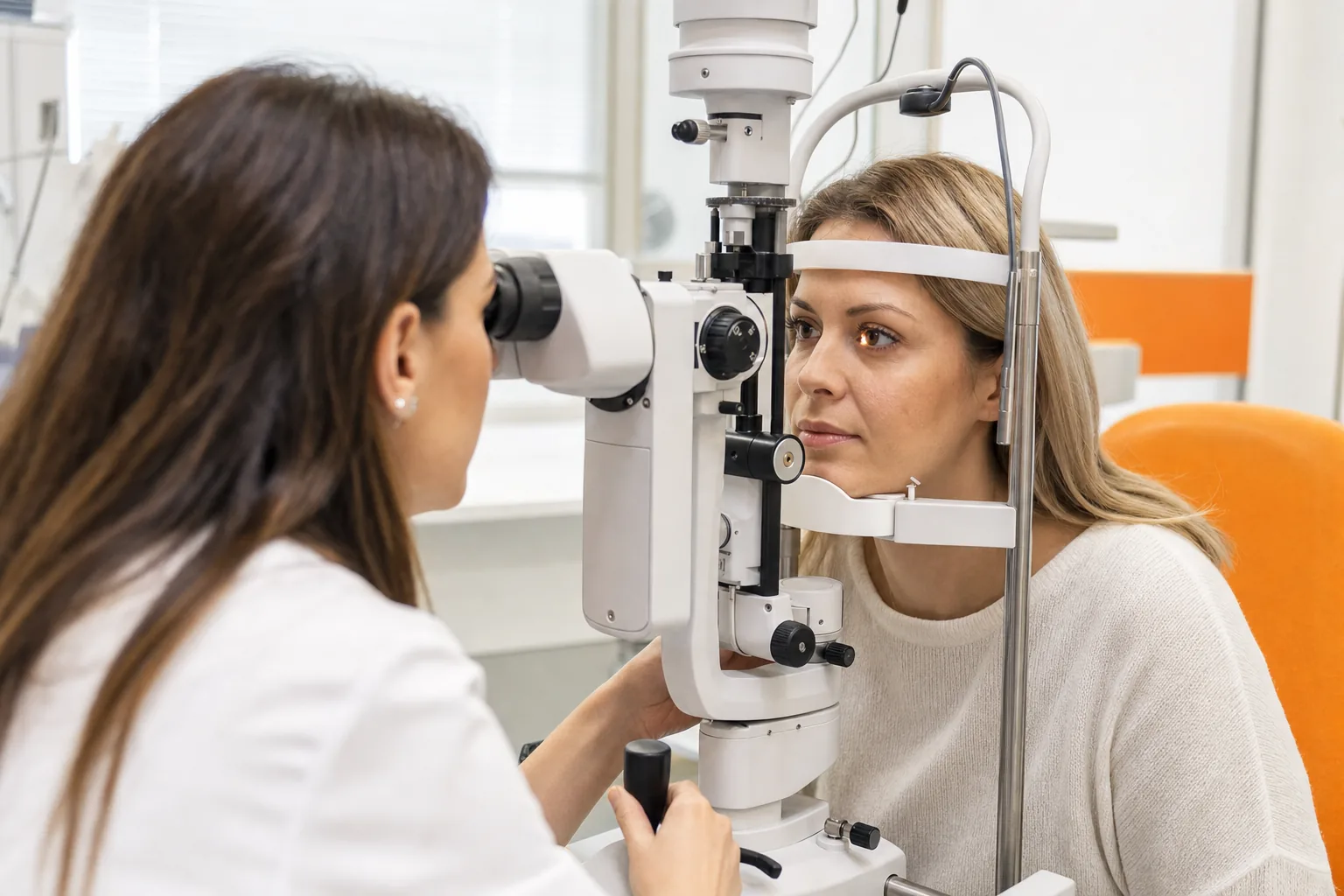
After the assessment, ask what the findings mean in everyday terms. Make sure you understand the next step, how soon to return, and which symptoms mean you should seek help again. We aim to make complete eye care clear and supportive, with a plan that fits the clinical findings.
What to Do While Arranging Care, and What to Avoid
Use first aid that matches the problem, then arrange clinical care. First aid can limit further harm, but it can't confirm whether the eye is injured or whether sight is at risk.
Chemical exposure
Start rinsing the eye immediately with clean, lukewarm running water. Keep the eyelids open as best you can and rinse continuously for at least 20 minutes. If contact lenses are easy to remove, take them out while rinsing. Then seek urgent medical assessment. Bring the product container or its name if doing so is safe.
Don't wait to find special eyewash before rinsing. Don't put drops or other substances into the eye unless a clinician tells you to. A medical professional may need to check the eye after the rinse and decide whether more treatment is needed.
Something in the eye
For loose dust or a small particle, gently rinse with clean water. Don't rub, press, or use tweezers near the eye. If an object is embedded, the injury followed a high-speed impact, or pain and blurred vision continue, protect the area without pressure and seek emergency care.
Sudden vision change or severe pain
Don't drive if your vision is impaired. Ask someone you trust to help with transport, or follow the urgent directions from a clinician. Note when the symptom started and whether it affects one eye or both. Keep the description simple and direct.
Avoid leftover prescription drops, home remedies, and eye patches unless a clinician advises them. These steps can hide symptoms or cause further harm. If you're unsure whether a change is urgent, describe it to an eye-care professional promptly. Severe or fast-changing symptoms should be treated as an emergency.
Pro Tip:For any new eye symptom, write down the start time and what changed. That short note can help the clinician assess urgency.
Frequently Asked Questions
What eye symptoms need emergency care?
Sudden vision loss, a curtain or shadow across your sight, severe eye pain, sudden double vision, chemical exposure, or flashes with many new floaters need urgent attention. A painful red eye with halos, nausea, or blurred vision also needs prompt assessment. If sight is suddenly affected, don't wait for a routine appointment.
Can I walk in for urgent eye care in Trinidad and Tobago?
Walk-in access depends on the clinic's current service and appointment capacity. EyesTT lists opening hours from Monday through Saturday, 8:00 a.m. to 4:00 p.m., and has an emergency contact route. Check the right route before travelling when possible. Severe or sudden symptoms need emergency assessment, not a wait for routine availability.
Should I see an optometrist or an ophthalmologist?
The right clinician depends on the symptom and the assessment needed. An optometrist examines vision and eye health. An ophthalmologist is a medical doctor who treats eye disease and can provide surgery. If you're unsure where to start, explain the symptom and how quickly it began to the eye-care service.
What should I do if a chemical gets in my eye?
Rinse the eye with clean running water for at least 20 minutes, keeping the eyelids open as much as you can. Remove contact lenses if they come out easily during rinsing. Then seek urgent medical care. Don't delay rinsing to look for special eyewash, and don't put drops in unless a clinician directs you.
Can virtual care assess an eye emergency?
A virtual visit may help a clinician hear your symptoms and advise where to go. It can't provide every test needed for an eye emergency. Sudden vision loss, severe pain, a chemical injury, or a possible retinal problem may need an in-person exam. Don't delay emergency care to arrange a video appointment.
Next Steps
When an eye symptom is sudden, severe, or getting worse, seek prompt clinical assessment rather than waiting for a routine exam. For non-emergency care with EyesTT, use the EyesTT appointment portal to review the available service and request a visit. If your sight is suddenly at risk, follow urgent care instructions first.



Comments