.png)
Selective Laser Trabeculoplasty: What to Expect

We get it, living with glaucoma can feel like a constant worry about vision loss.Selective laser trabeculoplasty (SLT)is a treatment that can lower eye pressure without daily drops, and EyesTT offers SLT for eligible patients.
Below we break down how the procedure works, who’s a good match, what the day looks like, and what to watch for afterward.
Table of Contents
What Is Selective Laser Trabeculoplasty?
SLT is a quick, office‑based laser treatment that targets the pigmented cells of the trabecular meshwork , the eye’s natural drainage system. The laser’s energy is absorbed only by those cells, leaving the surrounding tissue untouched.
Because it spares the meshwork, the procedure can be repeated if pressure rises again. It’s approved for open‑angle glaucoma and ocular hypertension, and many clinicians now use it as a first‑line option instead of eye‑drop medication.
Published international clinical data report an average intra‑ocular pressure (IOP) drop of about 6.9 mmHg (roughly 27 % reduction) within eight weeks of treatment. Patients with higher baseline pressures may have a higher probability of a meaningful reduction.
6.9 mmHgaverage IOP reduction after SLT
At EyesTT we offer SLT using a device that lets us fine‑tune the energy in 0.1 µJ steps, which helps match each eye’s needs.
How SLT Works Inside the Eye
The laser delivers short pulses (about 3 nanoseconds). Those pulses hit the melanin in the trabecular meshwork cells, causing a photothermal reaction that triggers a mild inflammatory response.
That response releases matrix‑metalloproteinases, which remodel the extracellular matrix and open up the drainage pathways. The result is better outflow of aqueous humor and lower pressure.
Unlike older argon laser trabeculoplasty, SLT’s energy is about 1 % of the thermal dose, so there’s little to no scarring.
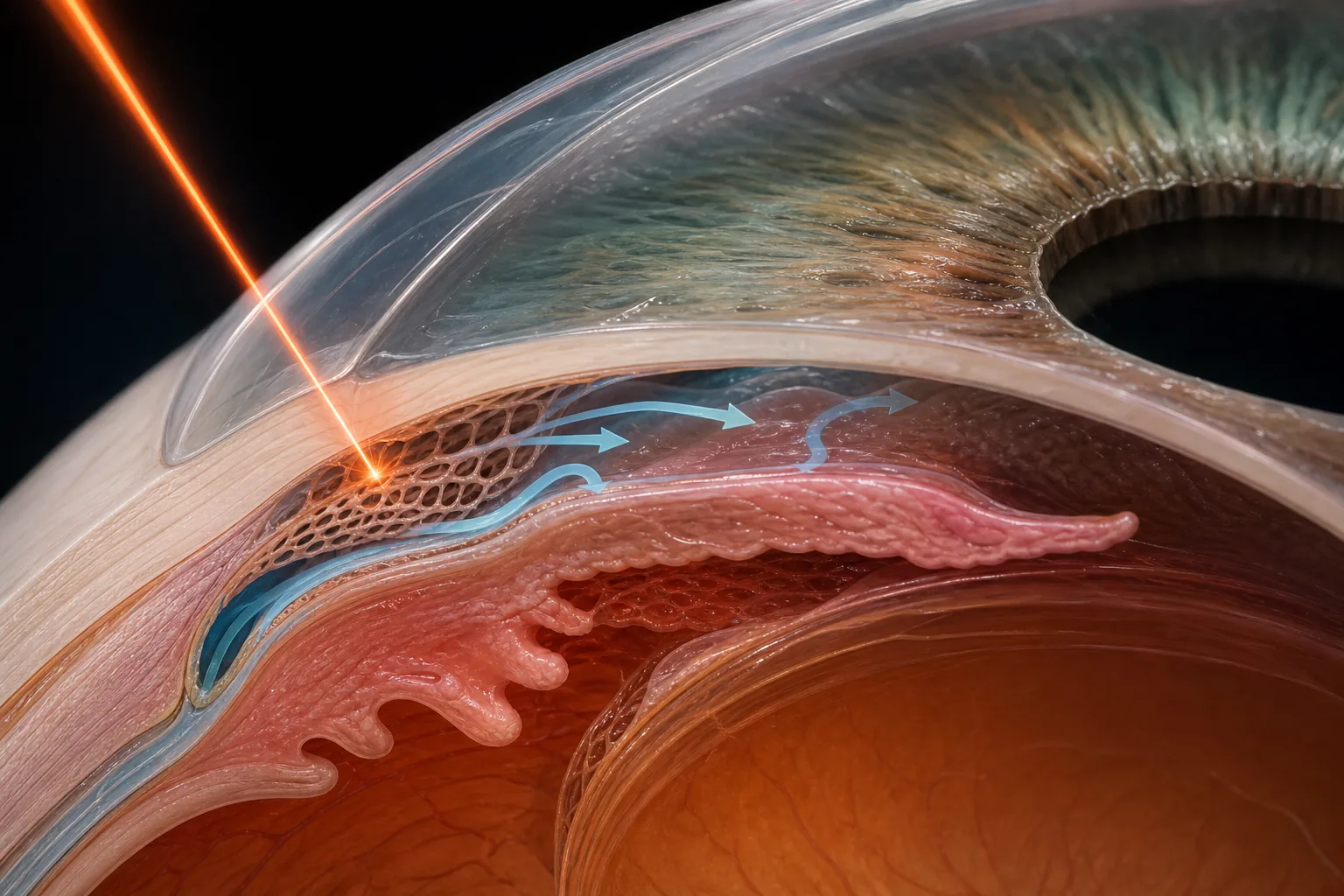
Because the laser only affects pigmented cells, eyes with less pigment may need a slightly higher setting, but the safety profile remains strong.
Who May Be a Candidate for SLT?
Most people with primary open‑angle glaucoma or ocular hypertension qualify. If you’re considering SLT at EyesTT, your ophthalmologist can assess whether it’s suitable for you. The key factors are:
IOP that remains above target despite medication, or a desire to cut back on drops.
Clear view of the angle on gonioscopy, the laser needs to see the meshwork.
No active eye infection or severe inflammation.
SLT also works for pseudoexfoliation and pigmentary glaucomas, and it can be used after other surgeries if pressure spikes again.
Patients with very low baseline pressures may see a smaller absolute drop, but they still benefit from reduced pressure fluctuations.
Key Takeaway:If you’re on one or more glaucoma drops and struggle with side effects or adherence, SLT is a solid alternative to consider.
What Happens Before, During, and After Treatment?
Before the laser, your clinician will perform a thorough eye exam, measure IOP, and take a gonioscopic view of the angle. At an EyesTT consultation, you can discuss these assessments and review a brief consent form that explains the steps and possible side effects.
During the procedure, a lid speculum holds the eye open. A special contact lens helps focus the laser onto the trabecular meshwork. The doctor fires about 100 non‑overlapping spots around the 360° angle. Each spot creates a tiny “champagne bubble” that signals the right energy level.
The whole session lasts under ten minutes. Most patients feel only a mild pressure sensation.
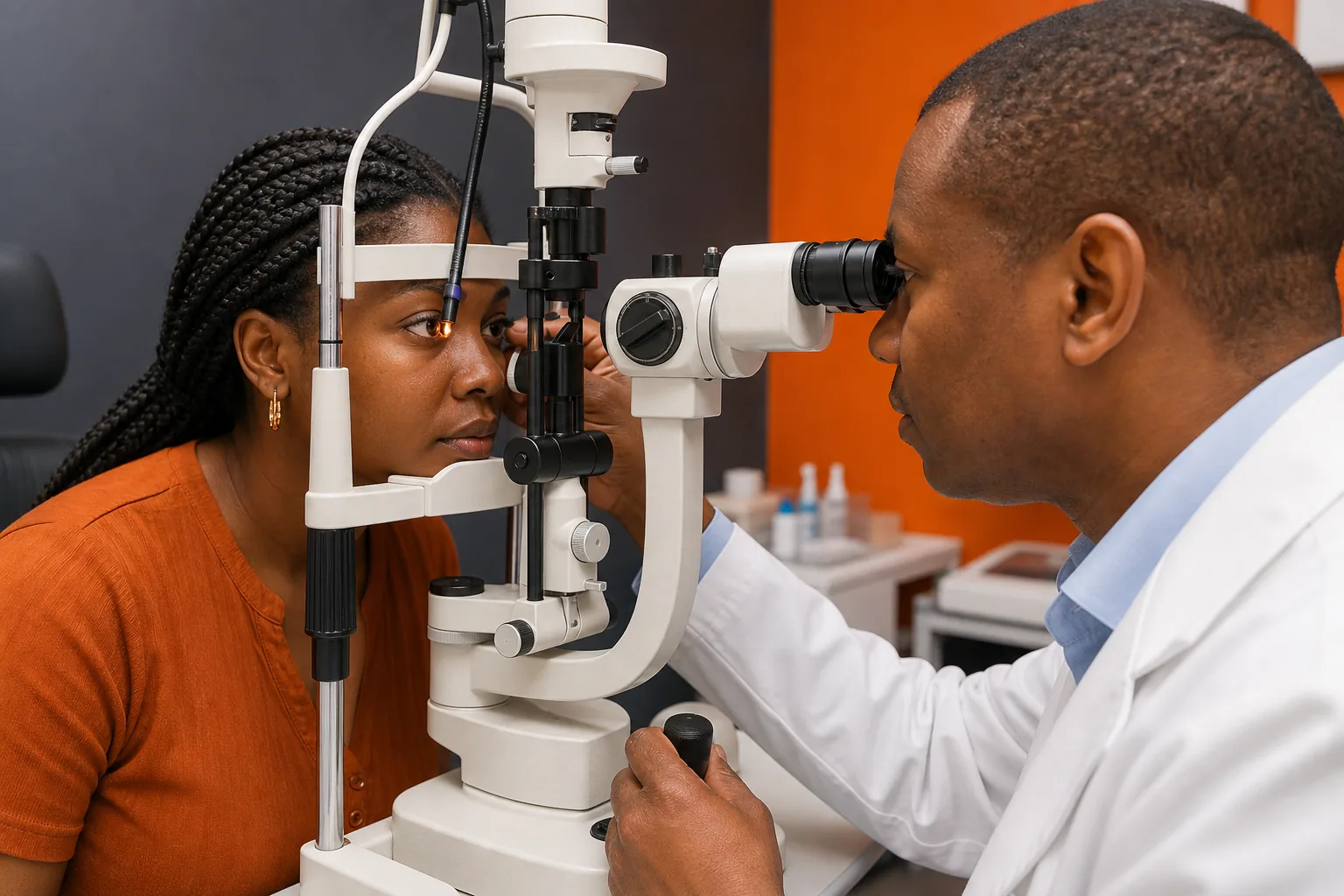
Afterwards, you’ll use an anti‑inflammatory drop for a few days to keep irritation low. IOP is checked again at 1‑hour, 2‑weeks, and about 4‑weeks post‑treatment. Your EyesTT clinician can confirm the follow-up plan that applies to you. Most people return to normal activities the same day, but we ask you to avoid heavy lifting and bright sunlight for 24‑48 hours.
Pro Tip:Keep a small bottle of preservative‑free artificial tears handy; they can soothe any post‑laser dryness.
Benefits, Risks, and Long‑Term Expectations
The biggest upside is a meaningful, medication‑free pressure drop. The procedure also reduces daily medication costs and eliminates drop‑related side effects such as dry eye.
Risks are low. The most common transient inflammatory events include anterior uveitis, corneal haze, and transient IOP increases. Serious complications like corneal damage or permanent vision loss are rare.
Published clinical evidence worldwide indicates that effectiveness can wane over time. Most eyes maintain the pressure reduction for 2‑3 years; some stay controlled longer. If pressure climbs again, a repeat SLT is usually possible, though the response may be less dramatic.
Because SLT does not alter the anatomy of the drainage pathway, it does not hinder future surgeries should they become necessary.
FAQ About Selective Laser Trabeculoplasty
Is SLT painful?
No, the procedure is generally painless. You may feel a brief pressure sensation, but most patients describe it as comfortable.
How long does the effect of SLT last?
Worldwide clinical evidence indicates that, on average, the pressure‑lowering effect lasts 2‑3 years, though some people stay controlled for up to 5 years or more.
Can SLT be done if I’m already using glaucoma drops?
Yes. SLT can be used as a first‑line therapy or added to existing drops to boost pressure control.
What are the chances of an IOP spike after the laser?
In published evidence from worldwide studies, about 5 % of patients experience a temporary spike, which is usually managed with a short course of pressure‑lowering drops.
Do I need to stop my eye drops before SLT?
Usually you can keep your drops, but your doctor may ask you to pause certain medications for a short wash‑out period to get an accurate baseline measurement.
How often can SLT be repeated?
Because SLT causes minimal tissue damage, it can be repeated if pressure rises again. Success rates may drop with each repeat, so doctors often weigh the benefit against other options.
Conclusion
If you want a proven way to cut down on eye‑drop reliance and keep glaucoma in check, SLT is worth discussing with our team at EyesTT. We can help you understand whether it may be suitable for your eyes and what to expect from treatment and follow-up. Visit our website to book a consultation.


Comments