
Finding a Kids’ Eye Doctor Near Me in Trinidad and Tobago

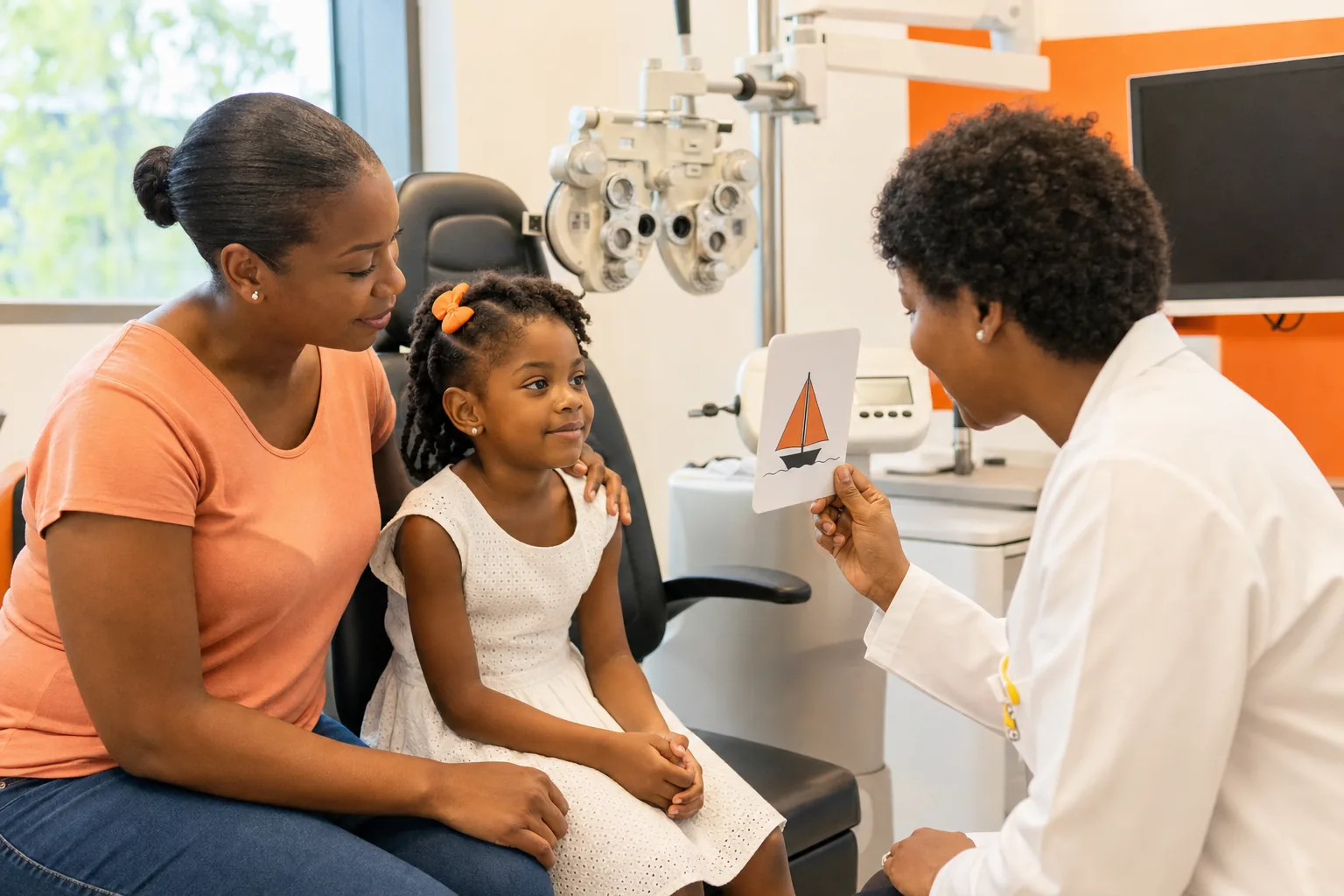
Searching for a kids’ eye doctor near me in Trinidad and Tobago? We at EyesTT provide pediatric eye care, including children’s eye care services, and we can explain what a child’s exam may involve before you arrange a visit.
A child’s age and ability to describe what they see help shape the exam. Here’s what families can expect, what to watch for, and how to plan care.
Table of Contents
What a Kids Eye Doctor Checks
A child’s eye exam checks more than whether they can read letters on a chart. The clinician may assess how clearly each eye sees, how the eyes move, and whether they work together.
The exam also includes a check of eye health. Which tests are used depends on the child’s age, their answers, and the reason for the visit. A young child may not be ready to name letters, so the clinician can use other ways to check vision.
Vision and eye coordination
For older children, the clinician may ask them to read letters or match pictures while covering one eye at a time. This helps check each eye on its own. The clinician may also ask the child to follow a target with their eyes or look at objects at different distances.
Some tests check how the eyes work as a pair. For example, a picture may appear to have depth when both eyes work together. The child may simply look at a picture or describe what they see; they don’t need to know medical terms.
Eye health checks
A clinician may use a bright light or a slit lamp, which magnifies parts of the eye. A child usually rests their chin on a support and looks toward a target while the clinician examines the front of the eye.
A phoropter is a device with lenses that helps the clinician assess a glasses prescription. Some clinics may also take images of the back of the eye or measure eye pressure. These tests aren’t needed at every visit, and the clinician can explain why a test is being considered.
At EyesTT, pediatric eye care and children’s eye care are part of our wider eye-care services. You can read what our children’s eye exams in Trinidad and Tobago involve before arranging care.
Key Takeaway:The clinician chooses tests to fit the child, rather than expecting every child to use the same chart or device.
How Children’s Vision Develops and Why Exams Matter
Children’s vision and their ability to describe it change as they grow. A baby can’t explain that one eye looks blurry. A preschooler may point to a picture, while a school-aged child may read letters or compare lens choices.
That’s why a child’s exam isn’t simply an adult exam with smaller equipment. The clinician adapts instructions and tests to the child’s age and communication skills. A short, playful task may tell the clinician more than asking a young child to describe a visual problem.
Some children don’t notice a difference between their eyes because they have never experienced another way of seeing. A caregiver may not spot a concern during everyday activities either. An eye exam gives the clinician a chance to check vision and eye health directly, including concerns that a child may not be able to explain.
But an exam doesn’t mean a child will need glasses or treatment. It helps the clinician understand what the child can see and whether further assessment is appropriate. The right timing and tests depend on the child’s history, symptoms, and prior care, so ask the clinician what schedule fits your child.
For a preschool child, the clinician may use picture-based tasks or observe how the eyes respond to a target. A school-aged child may be able to read a chart and answer questions about which lens looks clearer. If a child has trouble with a task, that alone doesn’t confirm an eye condition; the clinician considers the full exam.
A child’s eye health can also be discussed alongside daily routines. If screen use, reading, or outdoor light raises a question for your family, note it for the appointment. The clinician can give advice that fits the child rather than relying on a one-size-fits-all rule.
EyesTT’s pediatric service is part of our complete eye care. Our aim is to explain what the tests can show, what they cannot show, and whether another assessment is needed.
Signs a Child May Need an Eye Exam
A child may benefit from an eye exam if they squint, close one eye to look at something, or often rub their eyes. These signs can have different causes, so they don’t confirm a vision problem on their own.
Other clues can show up during daily tasks. A child may move close to a book or screen, lose their place while reading, or seem unsure when looking at something far away. Some children mention headaches or say that words or pictures look blurry. Tell the clinician what you’ve noticed and when it tends to happen.
Look for patterns, not a single moment. For example, if a child often turns their head to see the board or regularly avoids a task that needs close focus, write down what you observe. Include whether the concern happens at home, at school, or in both places.
Teachers and caregivers may notice different things. A teacher might see a child struggle to copy from a board, while a caregiver may notice that the child holds a book close. Neither observation proves an eye condition, but both can help the clinician understand the concern.
When to seek prompt care
Seek prompt medical advice if a child has a sudden change in vision, severe eye pain, or an eye injury. Severe or sudden symptoms need urgent medical assessment. Don’t wait for a routine exam when a serious or rapidly changing symptom is present.
If the concern is gradual, arrange an eye assessment and describe what has changed. Bring any notes from a teacher or caregiver if they help explain the pattern. If you’re unsure how quickly the child needs care, contact a health professional for guidance.
Vision and learning can overlap, but an eye exam does not diagnose learning or attention disorders. If a child has school difficulties, share that concern with the child’s doctor or school support team as well. Don’t assume that glasses or eye exercises will address every learning concern.
For a general overview of children’s care at EyesTT, our page about a clinic ophthalmologist explains the role of ophthalmology within our eye-care services.
What to Expect at a Child’s Eye Appointment
The visit often starts with check-in and questions about the reason for the appointment. The clinician may ask about the child’s vision, any symptoms, past eye care, and whether the child wears glasses. Share what you’ve observed, even if it seems small.
Next, the child may try a few tests. They might follow a toy or light with their eyes, identify letters or pictures, or look through different lenses. A slit lamp can magnify the front of the eye. A pressure check or retinal image may be added when the clinician thinks it is useful.
Not every child will have every test. Some children may need drops to widen the pupils so the clinician can look inside the eye. The drops can feel unusual, and the clinician can explain what to expect before using them. Ask if you should plan for any changes to the child’s activities after the visit.
Preparation can make the appointment easier to follow. A simple explanation and a chance to ask questions may help a child feel ready for an unfamiliar visit.
Helping your child prepare
Keep the explanation simple: the clinician will ask the child to look at pictures or lights and tell them what they see. Avoid promising that every part will feel a certain way, since tests can differ. A calm, honest explanation gives the child room to ask questions.
Bring the child’s current glasses, if they wear them. It can also help to bring a list of concerns and any information about prior eye care. If the child has a prescription, bring it along so the clinician can review it.
During check-in, ask what the visit includes and whether there are any steps to complete beforehand. If cost or coverage is a concern, ask about fees and payment arrangements before the appointment. Coverage varies by plan, so confirm details with the insurer or relevant service directly.
Pro Tip:Write down two or three questions before the visit. That makes it easier to remember them during the exam.
We’ll explain the tests in plain language and give the child time to take part at a comfortable pace. If a child feels unsure, tell the clinician; they can explain the next step before continuing.
Finding Children’s Eye Care Near Me in Trinidad and Tobago
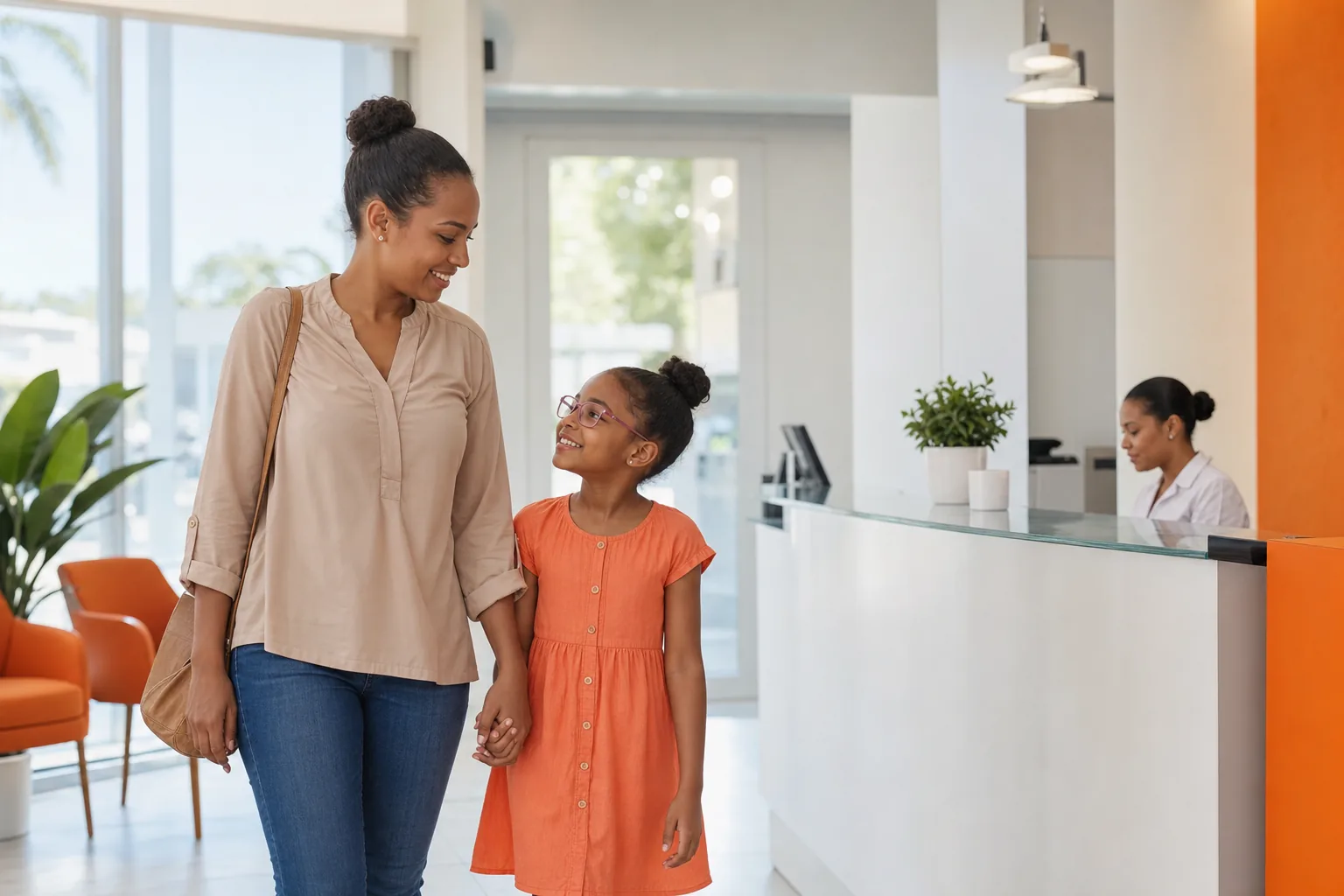
When you search for children’s eye care near me, start with the reason for the visit. Is it a routine vision check, a concern about how the eyes move, or a sudden symptom? Knowing the question helps you describe the care you’re seeking when you arrange an appointment.
Then check whether the clinic sees children and what kinds of eye care it provides. You can ask which clinician will assess your child, what tests may be used, and whether another appointment might be needed if the first exam raises a concern. Clear answers help you plan without assuming every child’s visit will be the same.
EyesTT is an ophthalmology and eye-care clinic in Trinidad and Tobago. Our services include pediatric eye care and children’s eye care, eye exams, diagnostic services, surgery, and optical products. Please confirm current opening hours when you book.
Our head office is at 129 Mission Road, Freeport, and we also have offices in San Fernando, St Augustine and Tobago. Check the EyesTT clinic locations page when deciding which listed location may work for your family.
Ask about the visit’s expected length and whether your child needs to bring anything. If you’re arranging care around school or work, confirm the appointment time and the location before setting out. A listed clinic schedule helps with planning, but an appointment time still needs to be arranged.
Cost and coverage are also part of choosing care. Ask the clinic about the fee for the service you need, then check with your insurer about any plan rules or reimbursement steps. If the child may need glasses or contact lenses, ask whether those are a separate cost from the exam.
Accessibility includes more than distance. Consider how the child will get to the clinic, whether the appointment time fits your day, and whether the child may need a caregiver with them. If the child has sensory or communication needs, mention them when arranging the visit so the team can discuss what may help.
Routine Concerns and When to Seek Prompt Medical Attention
Some concerns can be discussed at a planned eye exam. These include a child squinting often, needing to sit close to see a display, or saying that vision seems blurry. Share when the sign began and whether it happens in one setting or across the child’s day.
A routine appointment is also a place to ask about glasses. If the exam suggests a prescription could help the child see more clearly, the clinician can explain the finding and discuss suitable options. EyesTT’s optical services include glasses and contact lenses, but the clinician should assess whether a particular option fits the child’s needs.
Contact lenses require a fitting and clear instructions for use and care. A child’s age alone doesn’t answer whether lenses are appropriate. Ask the clinician about the child’s ability to handle lenses and follow care directions, and make sure a caregiver understands the plan too.
Surgery is not a routine next step for every child with a vision concern. If an exam finds an issue that may need medical treatment, an ophthalmologist can explain the diagnosis and discuss the options that apply. Ask what the proposed care is meant to address, what other choices exist, and what follow-up may involve.
Vision therapy and eye-coordination exercises also need a clear reason and assessment. Ask what finding the exercise plan is meant to address, how progress would be reviewed, and whether another professional should be involved. Don’t rely on claims that exercises cure dyslexia, attention disorders, or other learning conditions.
Symptoms that need prompt review
Seek prompt medical advice for sudden vision changes, severe eye pain, or an eye injury. For severe or sudden symptoms, use urgent or emergency medical care. These signs need timely assessment rather than a routine appointment.
If a child’s symptoms are less urgent but continue or change, arrange an assessment and explain the timeline. A clinician can determine whether an eye exam is appropriate or whether the child needs another type of medical care. This article can’t diagnose a child or replace advice from a health professional.
Our goal is to support families with complete eye care and clear explanations. If you’re unsure which appointment type fits, describe the concern when you contact EyesTT so the team can guide you to the relevant service.
Frequently Asked Questions
What age should a child have an eye exam?
There isn’t one exam format that fits every age. Babies and toddlers may be assessed through observation and simple visual tasks, while older children can answer questions or read a chart. Ask a clinician what timing fits your child’s age, health history, symptoms, and prior care.
What happens during a child’s eye exam?
A child’s exam may check vision in each eye, eye movement, how the eyes work together , and eye health. The clinician may use picture tests or equipment such as a slit lamp. The exact tests vary, so ask what is planned and why before the visit.
Do children need to read letters at an eye exam?
No. A child who can’t read letters can still take part in an eye exam. The clinician may use pictures, shapes, or other age-appropriate tasks to assess vision. Tell the clinic the child’s age and communication needs when arranging the visit.
When should I seek urgent eye care for my child?
Seek prompt medical advice if your child has sudden vision changes, severe eye pain, or an eye injury. Severe or sudden symptoms need urgent or emergency assessment. For ongoing but less urgent concerns, arrange an eye exam and describe when the symptoms began.
What should I bring to my child’s eye appointment?
Bring the child’s glasses, if they wear them, plus any current prescription and notes about your concerns. It may help to write down when signs occur and what the child says about their vision. Ask the clinic whether it needs anything else before the visit.
Arrange the Next Step for Your Child’s Eye Care
If you’ve noticed a change in your child’s vision or want to discuss a routine eye exam, contact EyesTT about pediatric eye care. Book an appointment with EyesTT to arrange your child’s eye exam and ask which visit type may fit your child’s needs.


Comments